

 Deutsch
 Français
 Español
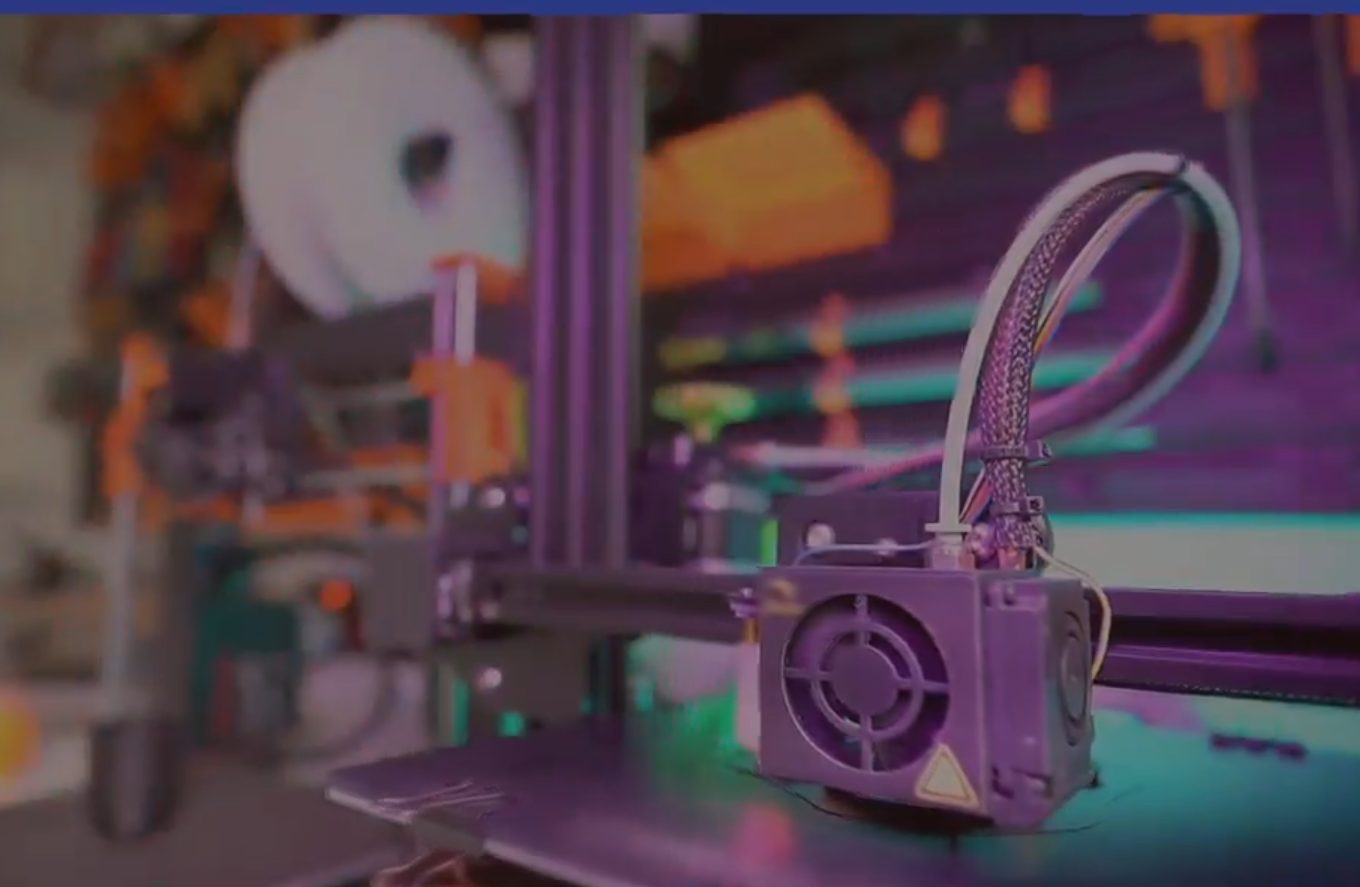
As part of its strong commitment to industrial innovation, MIMECRISA has launched an ambitious R&D&I project in collaboration with the University of Castilla-La Mancha (UCLM), with the support of the Centre for the Development of Industrial Technology (CDTI).
Officially classified as a Research and Development project, the initiative aims to position MIMECRISA at the forefront of high-performance metal materials for extreme industrial conditions.
High-Performance feedstocks for MIM and 3D printing
The project, titled “High-nickel enhanced blends for applications with high mechanical requirements at elevated temperatures” (CDTI IDI-20250150), focuses on the design and validation of new catalytic feedstocks—metal powders blended with thermoplastic polymers—suitable for both Metal Injection Moulding (MIM) and FFF-based additive manufacturing (3D printing).
These developments target critical sectors such as aerospace, energy, chemical, and high-temperature industrial applications.
Key Objectives and technical milestones
The project is organized around five technical objectives:
- Waste valorization, by converting injection scrap into usable 3D printing filaments, supporting a circular production model.
- Inconel 718 feedstock for components exposed to high temperatures (e.g. turbines and aerospace structures).
- Hastelloy C22 formulation, offering exceptional corrosion resistance.
- 420 MA stainless steel feedstock, optimized for mechanical performance and reintroduced to industrial use.
- Printable filaments, derived from selected materials, for prototyping and short-run manufacturing.
Academic collaboration and industrial application
With a total budget of €540,310, the project will be developed over 24 months (Oct 2024 – Oct 2026), including €195,052 allocated to UCLM through the DYPAM Research Group.
The scientific lead is Prof. Gemma Herranz Sánchez-Cosgalla, with technical coordination from Mr. Manuel Caballero Molina at MIMECRISA.
UCLM contributes expertise in metal formulations and laboratory validation, while MIMECRISA handles industrial implementation—covering injection, catalytic debinding, and sintering in production environments.
Technical challenges and innovations
The project tackles several manufacturing challenges:
- Maximizing metal load without compromising flow during injection or extrusion.
- Avoiding defects during catalytic binder removal, especially in continuous furnaces.
- Ensuring full densification to meet structural and mechanical standards.
For 3D filaments, balancing flexibility for spooling with stability during printing is a major focus.
The project also introduces hybrid formulations that work across both MIM and 3D printing, enhancing process integration from prototype to production.
Sustainability, autonomy and market impact
A dedicated sustainability strategy includes waste recycling, reducing the company’s environmental footprint.
MIMECRISA also increases its technological autonomy by developing in-house formulations, reducing reliance on external suppliers and enhancing its responsiveness to supply chain changes.
Project outcomes and future outlook
By the end of the project, MIMECRISA expects to have:
- Three validated feedstocks ready for production.
- A new high-performance filament line for FFF printing.
- A functional in-house recycling system for injection scrap.
- Opportunities for patent protection and participation in EU innovation programs.
This initiative marks a new chapter in MIMECRISA’s long-term strategy to lead in MIM technologies, expand material capabilities, and embrace the future of sustainable, advanced metal manufacturing.




 by